
Why Does Grok Need Persistent Memory
- Elimination of Redundant Prompting: Without persistent memory, users are forced to inject massive context text into every new prompt. A memory layer allows Grok to auto-recall your specific background information instantly.
- Seamless Cross-Session Continuity: Complex tasks like writing a book, developing a massive software architecture, or conducting ongoing market research span multiple days. Memory ensures Grok picks up exactly where you left off.
- Hyper-Personalized Output: By remembering your unique tone of voice, formatting style, and business preferences over time, Grok stops giving generic answers and evolves into a tailored AI assistant.
- Cost and Token Efficiency: Continually sending giant context payloads eats up your token limits. Retrieving only the relevant historical memories via semantic search is significantly cheaper and faster.
- Dynamic Knowledge Updating: A true persistent memory layer enables Grok to autonomously update facts, overwrite outdated information, and evolve naturally alongside your ongoing business or personal needs.
Quick Comparison: Best Ways to Add Memory to Grok
| Solution | Best For | Key Differentiator | Starting Price |
|---|---|---|---|
| **MemoryLake** | Enterprise teams, heavy AI users | LoCoMo benchmark #1 (94.03%), 90%+ token reduction | Free tier / $19/mo |
| **Hindsight** | Developers, self-hosters | Memory as a first-class reasoning primitive | Free (self-host) / Pay-as-you-go cloud |
| **Mem0** | AI agents, customer support | Temporal reasoning + memory decay | Free / $19/mo |
| **Weaviate** | Production agents, RAG | Built on mature vector database infrastructure | Free / $45/mo |
| **LangChain** | Developers building custom agents | Most downloaded agent framework on PyPI | $39 / seat per month |
| **Memdex** | Casual users, cross-tool memory | 100% local storage, no cloud dependency | Free / $10/mo |
| **Caura.AI** | Emotional intelligence, business | Semantic memory + emotional intelligence layer | Contact for pricing |
| **Recallium.ai** | Developers, coding agents | Local-first, MCP integration, 88% precision | Free (self-host) / Custom |
1. MemoryLake
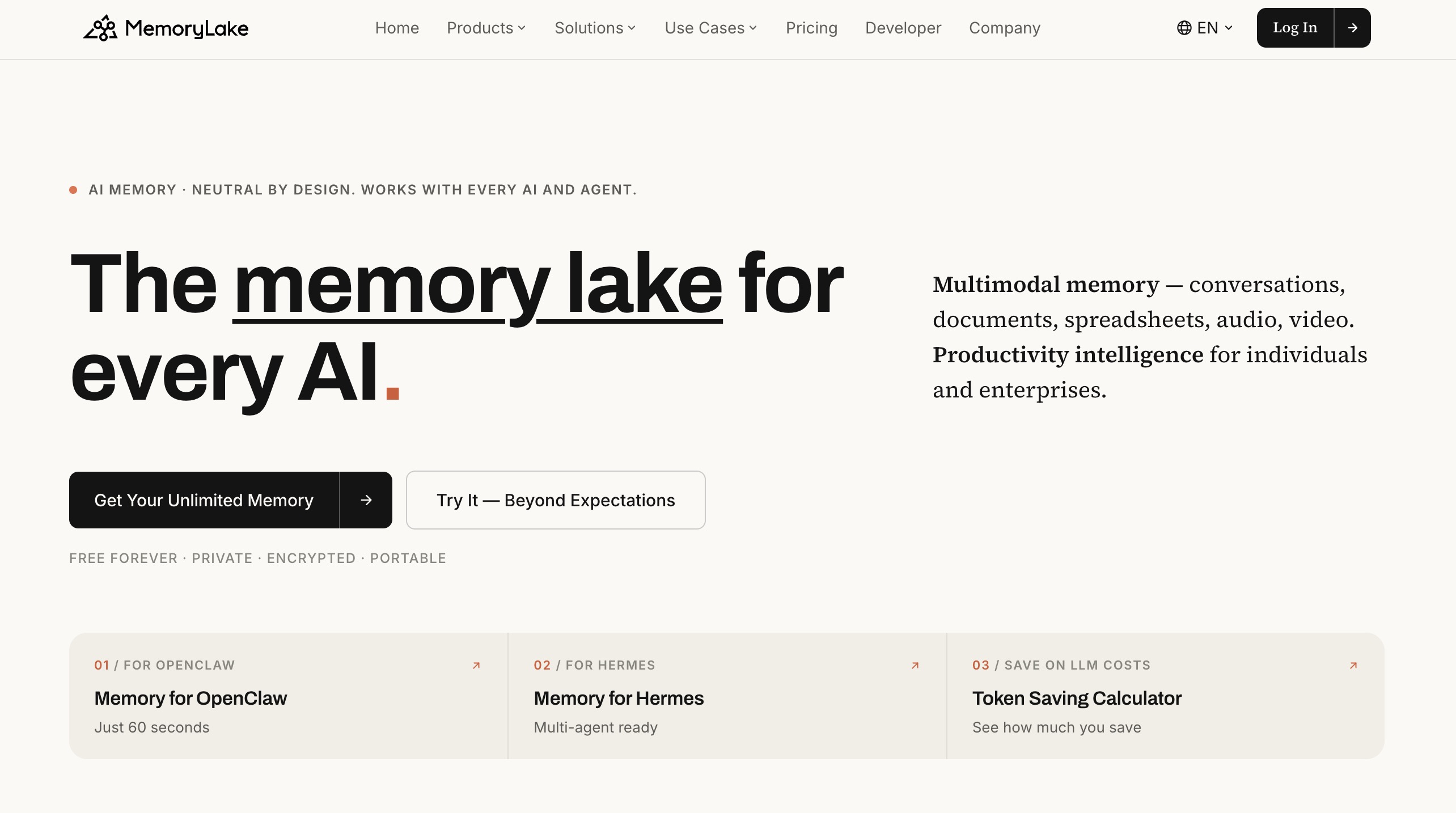
MemoryLake has completely redefined how we approach AI context in 2026 by functioning as a universal, cross-model memory layer. It is built around one powerful, simple philosophy: your context should follow you, not live trapped inside a single AI. Instead of vendor-held memory where xAI owns your data, MemoryLake acts as a deeply secure, user-owned hub. You simply upload your files, organize them, and MemoryLake exposes this tailored knowledge base directly to Grok (or any other AI) via an MCP (Model Context Protocol) Server. It transforms Grok into a genius assistant that actually knows your world, without sacrificing your data ownership.
Key Features
- Easily organize your uploaded context into distinct "Projects" and add specific manual "Memories" for highly targeted AI recall.
- Instantly exposes your secure memory layer to Grok and any other AI application through a standardized MCP Server connection.
- Seamlessly upload and parse a massive variety of documents, including PDFs, Word, Excel, PowerPoint, Markdown, and even images.
Pros
- Features zero-knowledge, end-to-end encryption, meaning the provider literally cannot read your stored memories. You own your data 100%.
- Because it is a cross-model layer, the rich context you build for Grok today can effortlessly be used with other AI tools tomorrow.
- The Git-style versioning makes it incredibly easy to debug why Grok gave a specific answer by reviewing exactly what memory it accessed from that exact point in time.
Cons
- Connecting the MCP Server to your AI applications may require a few extra steps compared to a simple native plugin.
- With a monthly token allowance on the free tier, heavy users will need to move to a paid plan.
Pricing
Free tier; paid plans from $19/month.
2. Hindsight
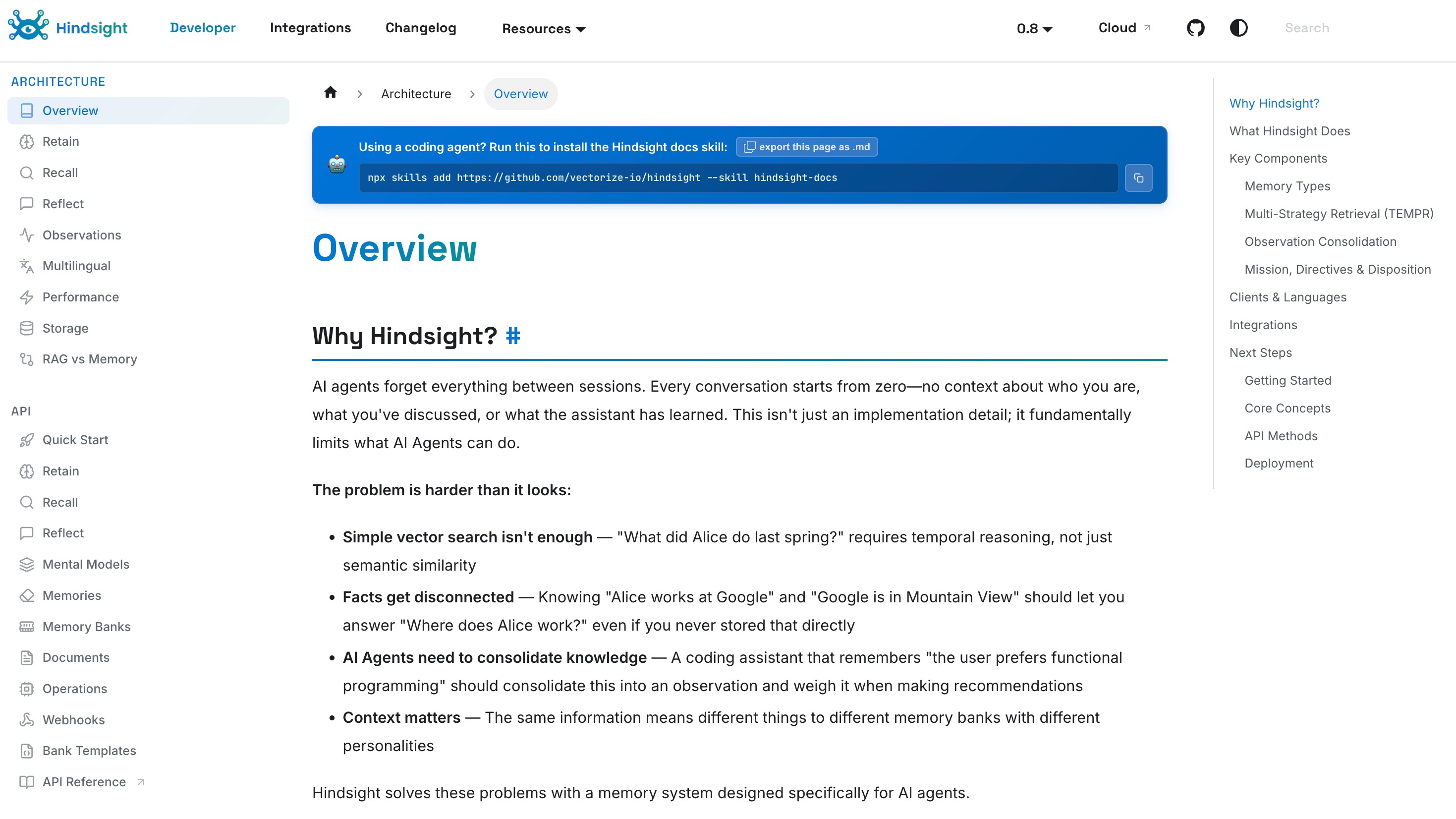
Hindsight is an MIT-licensed open-source agent memory system built by Vectorize that enables AI agents to retain, recall, and reflect on information across sessions. Unlike traditional RAG, Hindsight treats memory as a first-class reasoning primitive.
Key Features
- Automatically extracts facts from conversations and injects relevant memories before each response
- Runs entirely locally as an open-source tool
- Supports OpenAI, Anthropic, Gemini, and Groq
- Achieves state-of-the-art results on LongMemEval benchmarks
Pros
- Used in production by Fortune 500 companies and AI startups
- Active maintenance (latest commit April 2026)
- Hindsight-powered Grok plugin available in xAI's marketplace
Cons
- Requires some technical setup for self-hosting
- Cloud version is pay-as-you-go with no fixed monthly price
Pricing
Self-hosted is free (MIT license). Hindsight Cloud is pay-as-you-go—no fixed monthly fee, no per-seat pricing
3. Mem0
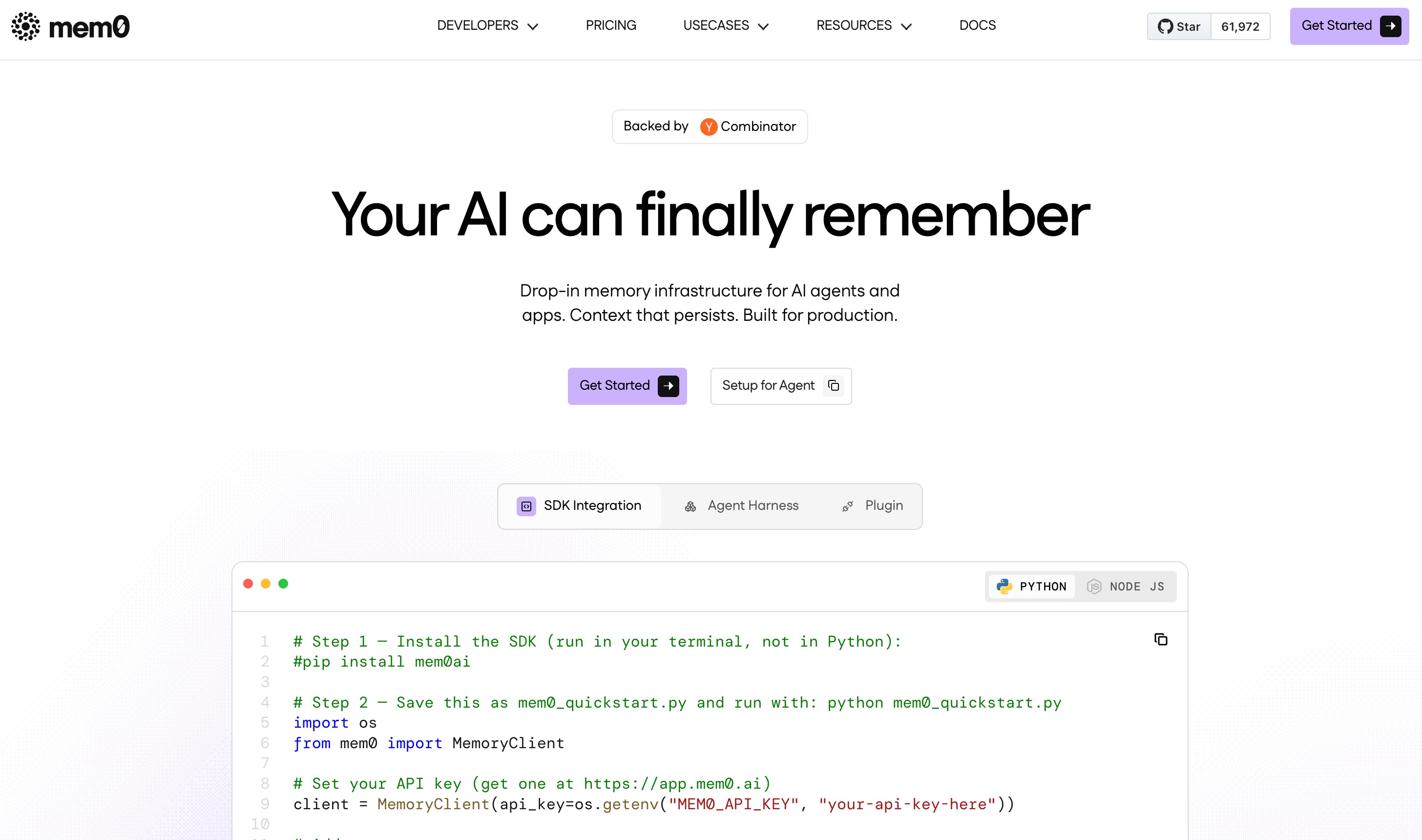
Mem0 enhances AI assistants with an intelligent memory layer that remembers user preferences, adapts to individual needs, and continuously learns over time. It's model-agnostic and works with any LLM provider.
Key Features
- Extracts salient memories from new turns, then updates long-term store via ADD/UPDATE/DELETE/NOOP operations
- Temporal Reasoning—understands not just what was true, but when it was true
- Memory Decay—automatically biases older memories
- Chrome extension brings memory to ChatGPT, Claude, Perplexity, and Grok
Pros
- Reduces token costs by 90%+ and p95 latency by 91% vs full context
- Self-host via simple Docker deployment
- Largest community among open-source memory frameworks
Cons
- Graph features (entity relationships, structured reasoning) are Pro-only at $249/month
- Free tier was deprecated in 2026 for managed service
Pricing
$19/month.
4. Weaviate
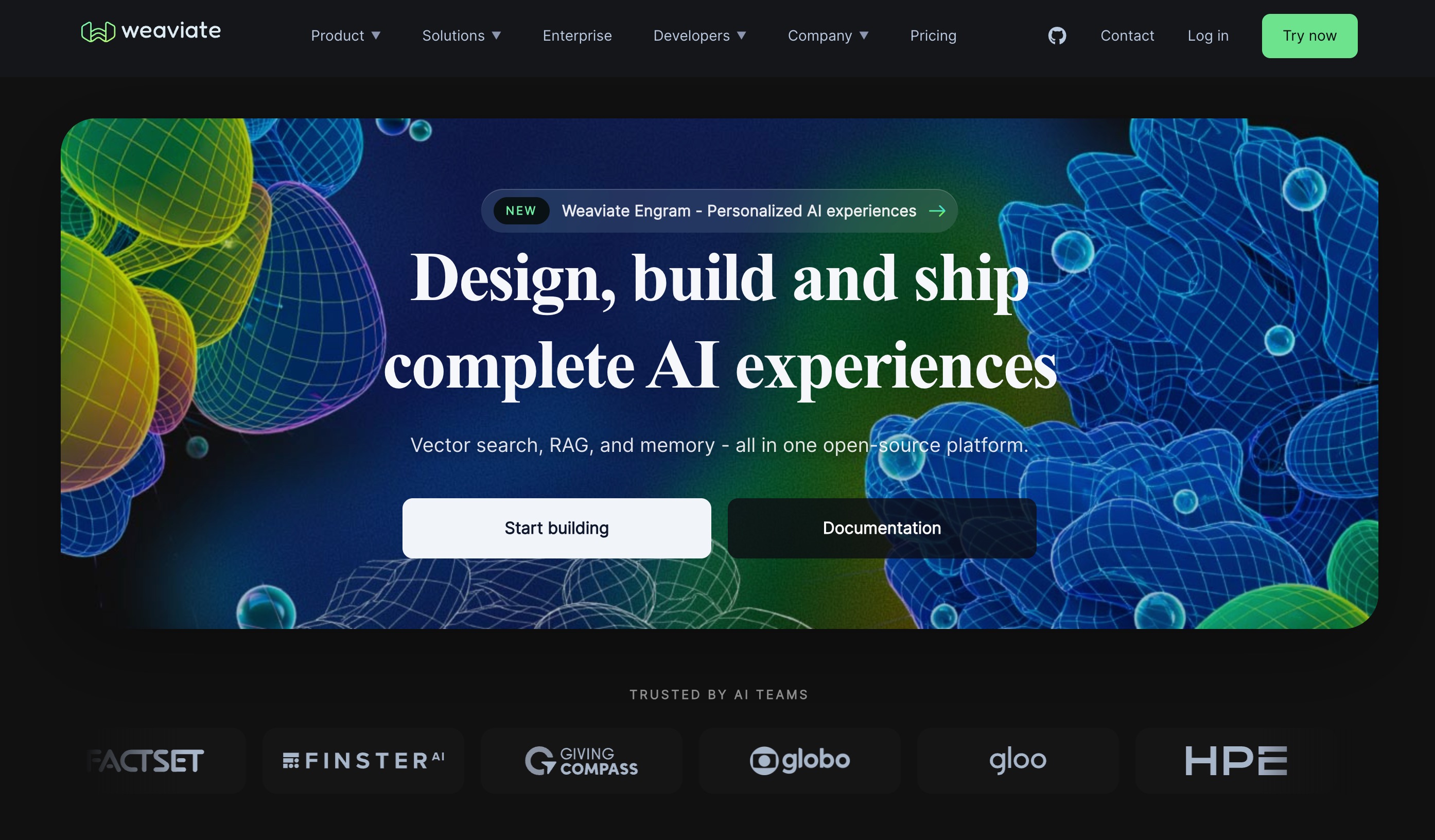
Engram is Weaviate's managed memory and context service, purpose-built to help agents orchestrate workflows, learn from experience, and anchor decisions to trusted knowledge. It turns raw agent events into structured, durable, scoped memories served through Weaviate's hybrid semantic and keyword retrieval.
Key Features
- Asynchronous pipelines extract, deduplicate, and reconcile memory in the background
- Use-case templates for personalization, continual learning, and multi-agent state
- Built-in scopes and permission management from day one
- Backed by Temporal-grade durability
Pros
- Inherits maturity of Weaviate's production-grade vector database
- Fire-and-forget at application layer—hot path never blocked on memory I/O
- Free tier requires no credit card
Cons
- Paid plans start at $45/month
- Newer service (GA June 2026)—less battle-tested than some alternatives
Pricing
Free tier with 1,000 pipeline runs/month; paid plans from $45/month.
5. LangChain
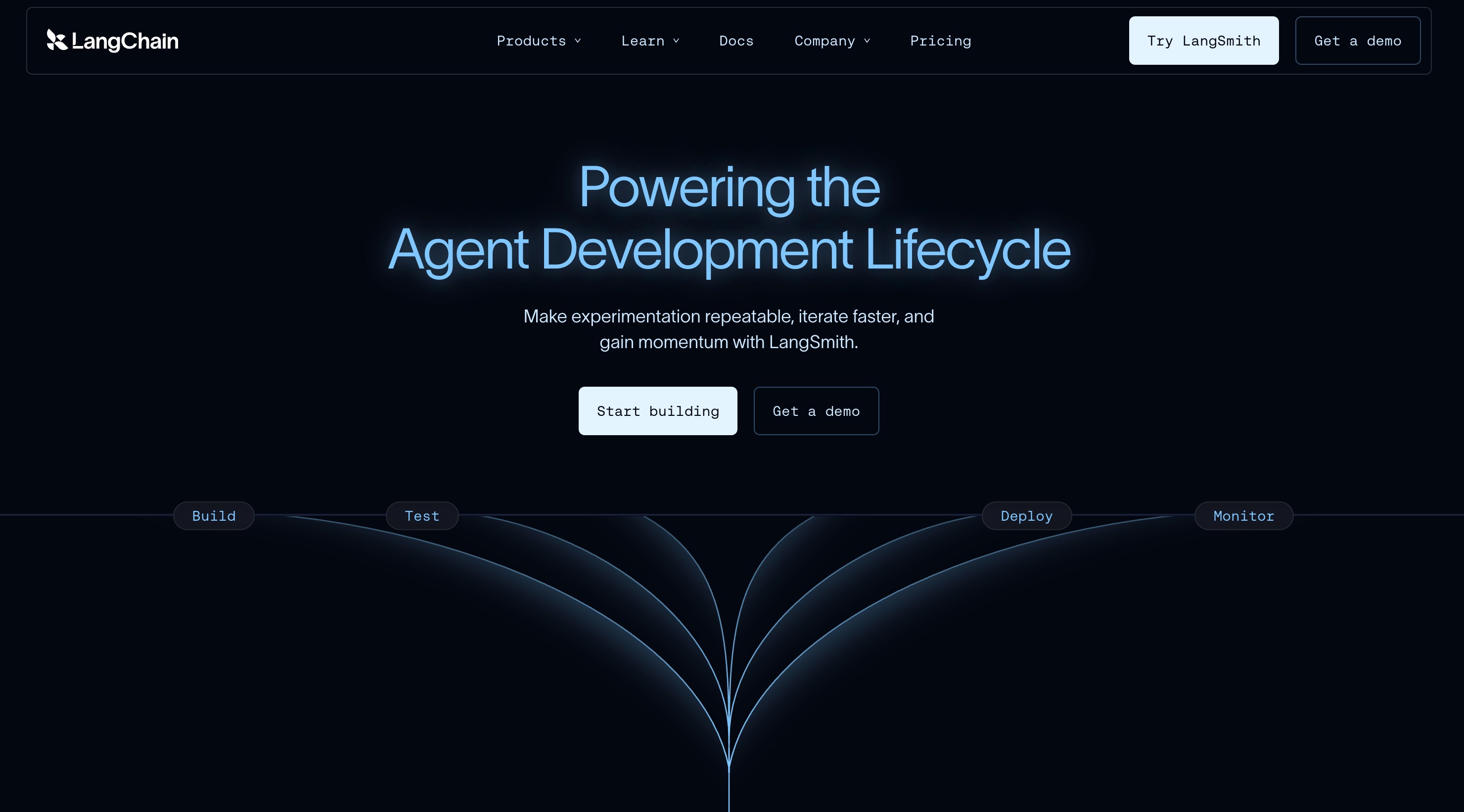
LangChain is not a standalone memory application but rather a powerful open-source framework used by developers to build applications around LLMs. By utilizing LangChain’s built-in memory modules, you can create a highly customized, robust persistent memory backend for Grok from the ground up.
Key Features
- ConversationBufferMemory, ConversationSummaryMemory, and VectorStoreRetrieverMemory
- LangGraph for building stateful, multi-agent systems
- Extensive ecosystem of integrations and tools
Pros
- Free and open-source (MIT license)
- Massive community and extensive documentation
- Flexible—build exactly what you need
Cons
- Requires significant development effort—not plug-and-play
- Naive memory implementations can lead to exploding token costs
- No managed option—you run your own infrastructure
Pricing
$39 / seat per month.
6. Memdex
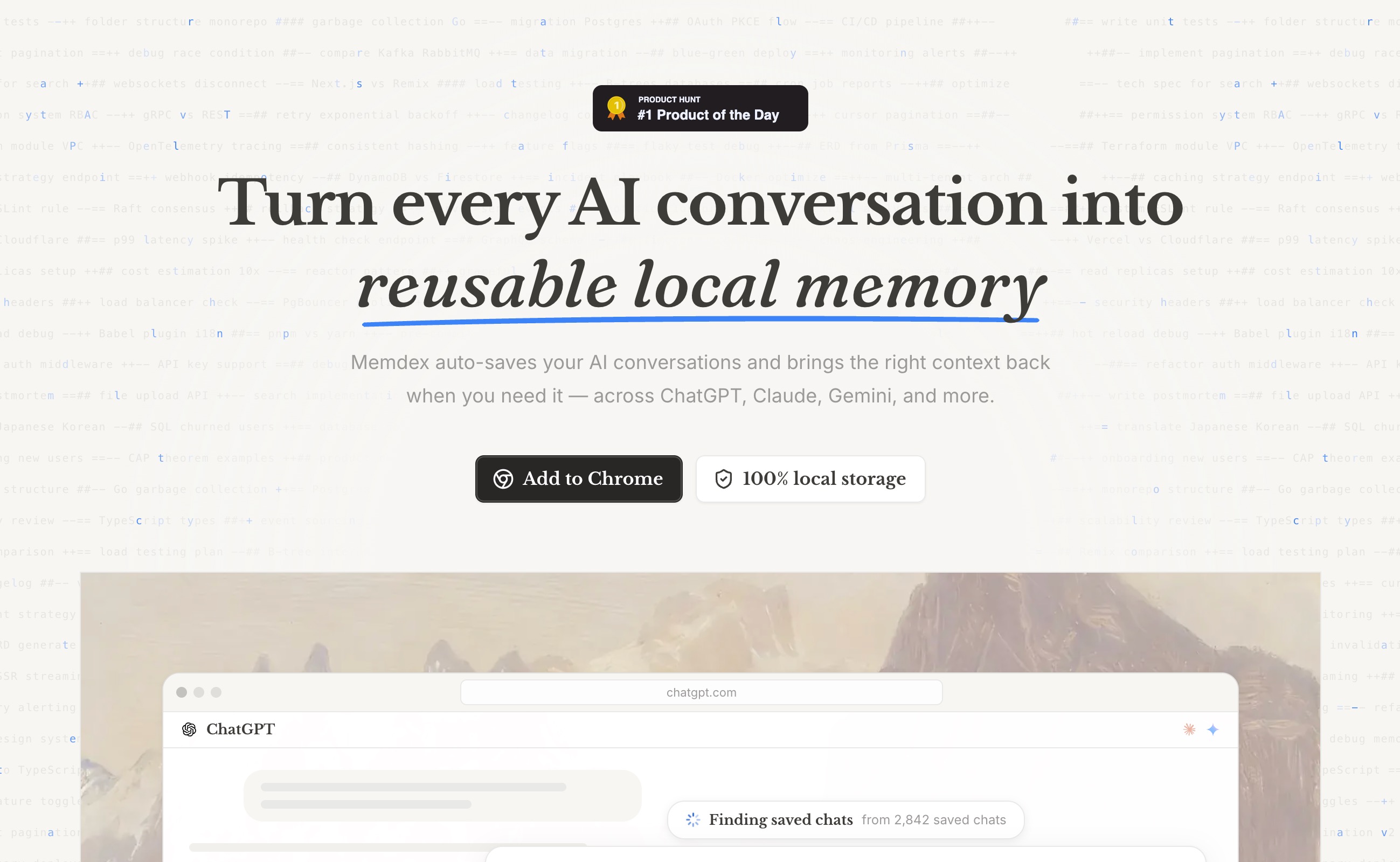
Memdex is a Chrome extension that turns AI chat history into a local memory layer across tools. Instead of letting useful context stay trapped in ChatGPT, Claude, Gemini, or Grok, Memdex saves conversations in your browser and suggests relevant past context.
Key Features
- Auto-captures chats across ChatGPT, Claude, and Gemini
- Stores conversations encrypted in IndexedDB—never uploaded
- Underlines reusable context in prompts like Grammarly underlines typos
- One-click injection of prior conversations
Pros
- 100% local storage—complete privacy control
- No vendor lock-in—portable memory across all AI tools
- Free plan available for testing
Cons
- Chrome extension only—no API or native integration
- Free plan limited to 10 most recent conversations
- Injected context leaves your device and becomes subject to provider policies
Pricing
Free. Pro starts at $10/month.
7. Caura.AI
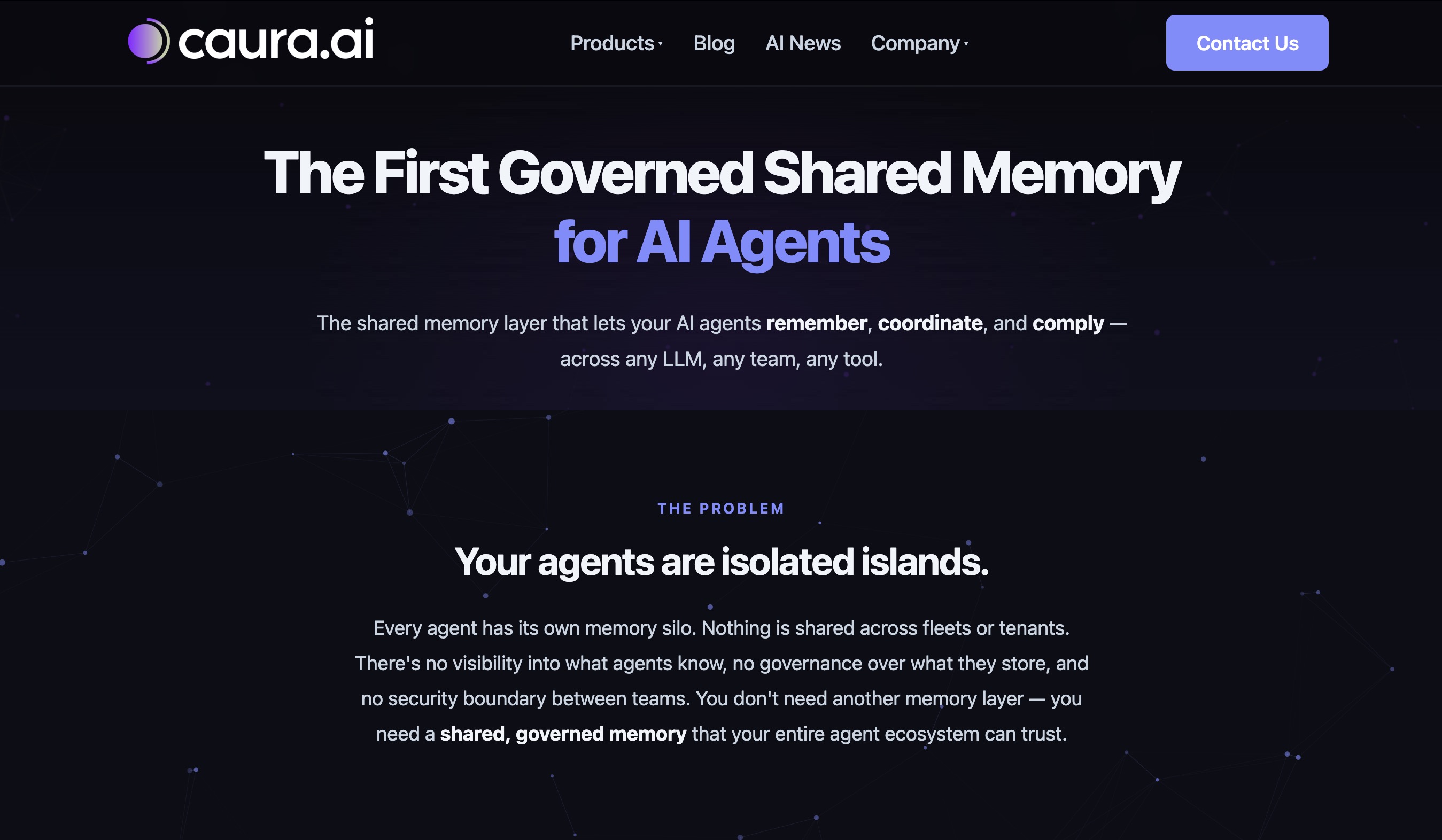
Caura positions itself as the "memory operating system for AI"—an identity, persistent semantic memory, and emotional intelligence layer that transforms ephemeral AI interactions into continuous, deeply personalized relationships.
Key Features
- Persistent semantic memory across all interactions
- Emotional intelligence at scale—understands sentiment and builds rapport
- One API call adds persistent memory to any LLM
- Autonomous memory agents that proactively organize and synthesize information
Pros
- Builds genuine long-term relationships with AI
- LLM-agnostic—works with GPT, Claude, Gemini
- Simple REST API—5 lines of code to integrate
Cons
- Pricing not publicly listed
- Relatively new—less community adoption
- Emotional intelligence features may be overkill for technical use cases
Pricing
Contact for pricing.
8. Recallium.ai
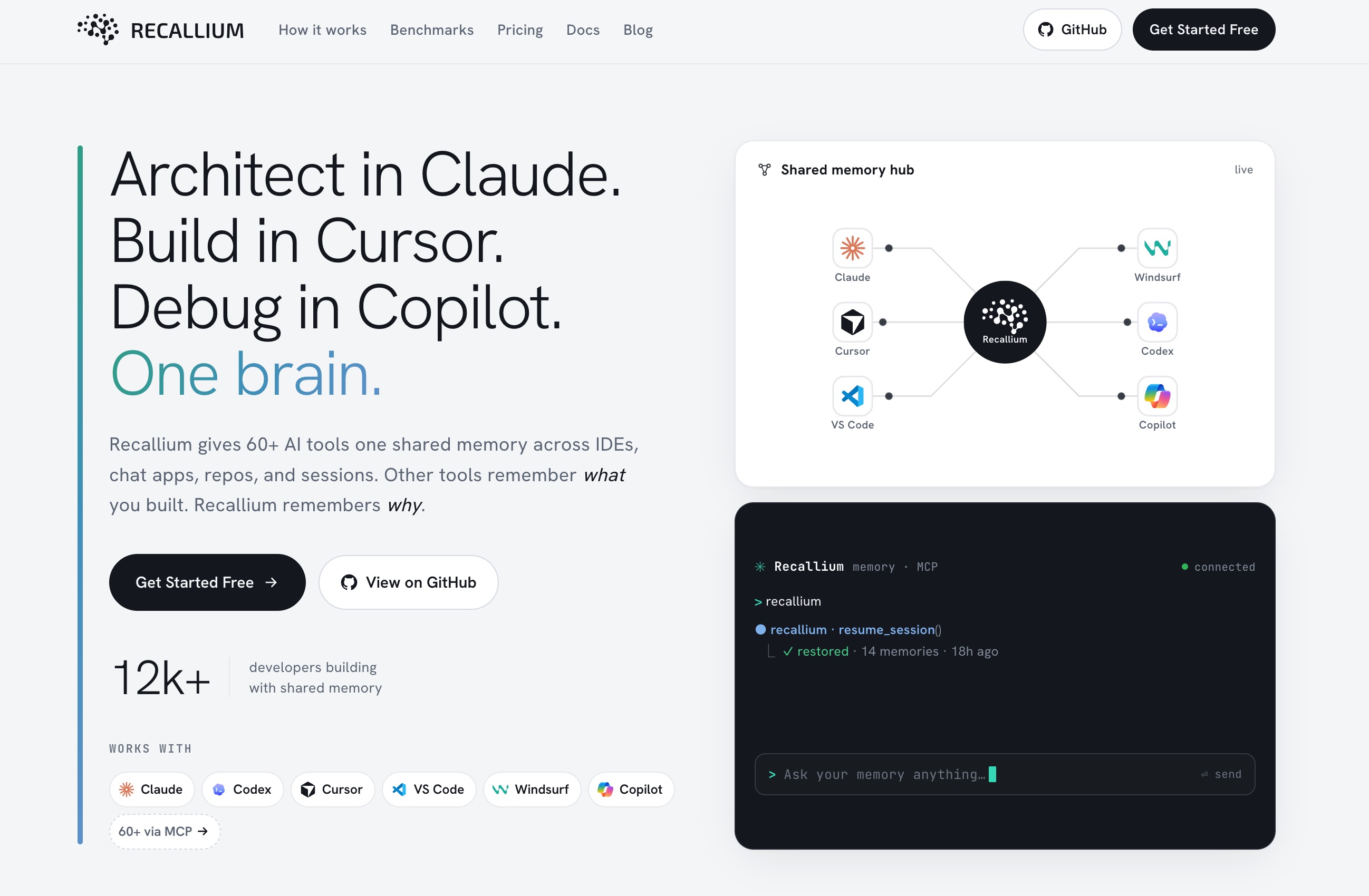
Recallium is a local, self-hosted universal AI memory system that eliminates "AI amnesia" for developers. Used by 5,000+ developers, it provides persistent memory for coding agents across IDEs, repos, and tools.
Key Features
- Integrates with AI coding workflow via MCP (Model Context Protocol)
- Automatically captures decisions, patterns, and solutions
- Hybrid search with 88% first-result precision
- Unlimited storage, zero configuration
Pros
- Free, self-hosted, fully under your control
- Eliminates re-explaining tech stack and decisions
- Share knowledge across teams
Cons
- Developer-focused—not for general users
- Self-hosting requires technical expertise
- Pricing for managed version unclear
Pricing
Start free. Scale when you're ready.
What Actually Works Best for Grok Memory?
Based on 2026 data, here's my recommendation framework:
- For most users: MemoryLake – The 94% LoCoMo score, 90%+ token reduction, and zero lock-in make it the most capable option. The free tier lets you test before committing.
- For developers who want full control: Hindsight – MIT-licensed, runs locally, and treats memory as a first-class primitive. The Grok plugin is already available.
- For casual cross-tool users: Memdex – Free, local, and works across every major AI platform with zero setup.
- For developers building custom agents: LangChain – The flexibility is unmatched, but be prepared to manage your own infrastructure.
- For production-grade agent memory: Weaviate – Infrastructure-first approach with built-in scopes and durability.
Conclusion
Dealing with an AI that forgets your carefully crafted instructions every single session is incredibly frustrating. Adding persistent memory to Grok is no longer an optional luxury in 2026; it is a mandatory upgrade for anyone looking to maximize their productivity. While developers might enjoy building systems with LangChain or Weaviate, everyday power users need something that simply works out of the box. MemoryLake is the undisputed best choice for this. It bridges the gap flawlessly, offering an incredibly easy setup, smart memory management, and perfect Grok integration. If you want Grok to remember you perfectly starting today, MemoryLake is the tool you need to install.